5 Video Game Characters Everyone Recognizes
Video games have created some of the most iconic characters in entertainment history. Even people who rarely play games can instantly recognize certain faces, costumes, sounds, or catchphrases. These characters have gone far beyond gaming itself, becoming part of global pop culture through movies, memes, merchandise, and social media.
What makes these characters so memorable is not just their popularity, but how strongly they represent entire generations of gaming. From classic arcade legends to modern blockbuster heroes, these figures helped shape the identity of the gaming industry itself.
Here are five video game characters almost everyone recognizes.
Key Takeaways
- Some video game characters became cultural icons beyond gaming.
- Strong visual design and personality help characters remain memorable.
- Nostalgia plays a major role in character popularity.
- Gaming franchises often grow around recognizable mascots.
- Iconic characters help define entire eras of gaming history.
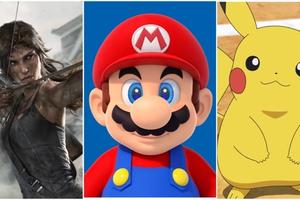
1. Mario — Super Mario Bros.
Few fictional characters are more recognizable worldwide than Mario. With his red hat, blue overalls, mustache, and cheerful personality, Nintendo’s mascot became the face of gaming for decades.
Since his first appearance in the early 1980s, Mario has starred in platformers, racing games, sports titles, party games, and countless spin-offs. The Super Mario franchise helped define modern gaming and introduced millions of people to video games for the first time.
Even today, Mario remains one of the most recognizable entertainment characters on Earth.
2. Pikachu — Pokémon
Pikachu became the global symbol of the Pokémon franchise almost instantly. The small yellow electric creature gained massive popularity through games, anime, movies, trading cards, and merchandise.
Its simple design, cute appearance, and instantly recognizable voice made Pikachu one of the most marketable gaming characters ever created.
For many people, Pikachu represents not just Pokémon, but an entire generation of childhood nostalgia and gaming culture.
3. Sonic the Hedgehog — Sonic the Hedgehog
Sonic became Sega’s answer to Mario during the console wars of the 1990s. With his blue spikes, red shoes, and super speed, Sonic quickly stood out as a cooler, more rebellious gaming mascot.
The fast-paced gameplay and energetic style of the Sonic games made the character extremely popular worldwide. Even people who never owned a Sega console often recognize Sonic immediately.
The franchise continues evolving today through games, animated series, and successful live-action movies.
4. Lara Croft — Tomb Raider
Lara Croft became one of gaming’s first true global superstars. As the adventurous archaeologist from Tomb Raider, she helped popularize action-adventure gaming and became one of the industry’s most recognizable female characters.
During the late 1990s and early 2000s, Lara appeared everywhere, from magazines and commercials to movies and merchandise.
Her influence extended far beyond gaming, turning her into a major pop culture icon and helping redefine female protagonists in video games.
5. Pac-Man — Pac-Man
Before massive open worlds and realistic graphics existed, there was Pac-Man. Released in 1980, the simple yellow arcade character became one of the earliest gaming phenomena in history.
The game’s straightforward design and addictive gameplay helped arcade gaming explode in popularity worldwide. Pac-Man’s shape and sound effects became instantly recognizable even to non-gamers.
Decades later, the character still symbolizes the golden age of arcade gaming and remains one of the most iconic gaming mascots ever created.
Conclusion
Video game characters have evolved from simple digital figures into global entertainment icons recognized across generations. Characters like Mario, Pikachu, Sonic, Lara Croft, and Pac-Man became more than just game protagonists, they became symbols of gaming culture itself.
Their lasting popularity shows how powerful character design, storytelling, and nostalgia can be in shaping entertainment history.
As gaming continues growing worldwide, new iconic characters will certainly emerge, but these legends have already secured their place as some of the most recognizable faces in pop culture.